


Hey there, sports enthusiasts! If you’ve ever felt intrigued by the idea of sports betting but didn’t know where to start, you’re in the right place. We’re diving into the world of sports betting with a casual, step-by-step guide that’ll make you feel like a pro in no time. Whether you’re an aspiring novelist, a content marketer, or a graduate student looking to unwind and potentially profit from your sports knowledge, this guide will break down everything you need to know about successful sports betting. Discover the best info about بهترین سایت شرط بندی.
First things first, let’s get acquainted with the basics of how sports betting works. At its core, sports betting is all about predicting the outcome of sports events and placing a wager on them. Simple, right? But before you jump in, there are a few key concepts you’ll need to grasp.
How Sports Betting Works
Sports betting operates on a system of odds that represent the probability of a certain outcome. These odds also determine how much you’ll win if your bet is successful. Odds can be displayed in three formats: fractional, decimal, and moneyline. Don’t worry, we’ll break these down in a moment.
The Role of Bookmakers
Bookmakers, also known as sportsbooks, set the odds for sports events. They use a combination of statistical analysis, historical data, and expert opinions to determine these odds. Their goal is to ensure a balanced book, where the total amount wagered on each side of a bet is roughly equal. This balance allows them to make a profit regardless of the outcome.
The Importance of Understanding Probability
Understanding probability is crucial in sports betting. The odds given by bookmakers reflect the implied probability of an event occurring. By calculating the implied probability from the odds, you can determine whether a bet offers value. A value bet is one where you believe the probability of an outcome is higher than what the odds suggest.
The Influence of Public Perception
Public perception can significantly influence betting odds. Popular teams or athletes often attract more bets, causing bookmakers to adjust the odds. This adjustment can create opportunities for savvy bettors to find value in less popular options. Being aware of public sentiment and market moves can be an advantage.
Betting Odds Explained


- Fractional Odds: Common in the UK, fractional odds like 5/1 show you how much profit you’ll make on a bet relative to your stake. So, a winning $10 bet at 5/1 odds will earn you $50 in profit plus your original stake back.
How to Calculate Fractional Odds
Fractional odds can be easily calculated to understand potential payouts. For example, if you see odds of 5/1, for every $1 you wager, you stand to make $5 in profit. To calculate your total return, multiply your stake by the fraction, and add your original stake to the result. This understanding can help you quickly assess potential returns.
Advantages and Disadvantages of Fractional Odds
Fractional odds are straightforward to understand for many bettors, especially those familiar with horse racing. However, they can be less intuitive for calculating probabilities compared to other formats. They are most commonly used in the UK and Ireland, which might limit their usefulness for international bettors.
- Decimal Odds: Popular in Europe, decimal odds represent the total payout rather than just the profit. So, if you place a $10 bet at 6.0 odds, you’ll receive $60 ($50 profit + $10 stake).
How to Calculate Decimal Odds
Decimal odds are quite user-friendly when it comes to calculating potential returns. Simply multiply your stake by the decimal odds to determine your total payout. For example, if you bet $10 at odds of 6.0, your total return would be $10 x 6.0 = $60. This format is favored for its simplicity and ease of use.
Why Decimal Odds Are Popular
Decimal odds are popular because they clearly display both the potential profit and the total payout, making them easy to understand at a glance. They are widely used in Europe, Canada, and Australia, and are becoming increasingly popular in other regions as well. Their simplicity makes them a great choice for novice bettors.
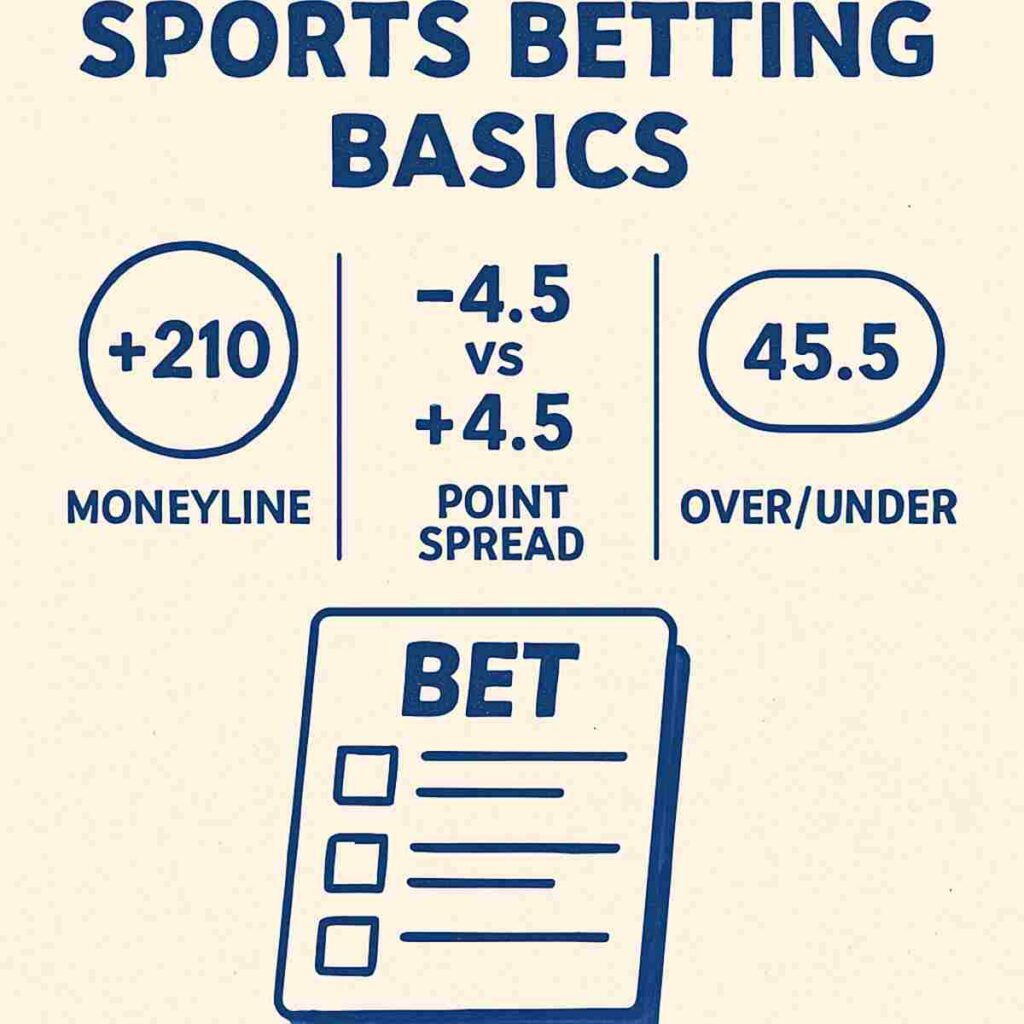
- Moneyline Odds: Predominantly used in the US, moneyline odds are centred around $100 bets. Positive numbers (e.g., +200) show how much profit you’d make on a $100 bet, while negative numbers (e.g., -150) indicate how much you need to stake to win $100.
How to Interpret Moneyline Odds
Moneyline odds may seem confusing at first, but they’re easy to grasp with a little practice. Positive moneyline odds indicate how much profit you’d earn on a $100 wager, while negative odds show how much you’d need to bet to win $100. For example, +200 means a $100 bet yields $200 in profit, while -150 means you need to bet $150 to win $100.
The Benefits of Moneyline Odds
Moneyline odds are particularly useful for head-to-head matchups, such as in American sports like baseball, basketball, and hockey. They provide a straightforward way to evaluate the potential return on investment for bets. Moneyline odds are also versatile, allowing for easy comparison across different sports and events.
Developing a Winning Strategy
Now that you understand the basics, let’s talk strategy. Successful sports betting isn’t just about luck; it requires careful planning and analysis. Here’s how you can develop a winning approach.
Research and Analysis
Before placing any bets, dive deep into research. Analyze team performance, player statistics, weather conditions, and any other factors that might influence the outcome of a game. The more informed your decision, the better your chances of winning.
Analyzing Historical Performance
One of the most effective ways to assess potential outcomes is by analyzing historical performance data. Look at past matches, head-to-head statistics, and trends over time. Understanding how teams or players have performed in similar situations can provide valuable insights into future performance.
Evaluating Player and Team Form
Current form is a crucial factor in sports betting. A team or player in good form is more likely to perform well. Examine recent performances, injury reports, and any other relevant information. Additionally, consider external factors like travel schedules and home-field advantage, which can impact performance.
Factoring in External Conditions
External conditions, such as weather and venue, can significantly affect the outcome of a sporting event. For example, weather conditions can influence the style of play in outdoor sports like soccer or cricket. Be sure to factor these conditions into your analysis and adjust your strategy accordingly.
Bankroll Management
One of the most critical aspects of sports betting is managing your bankroll. Decide how much money you’re willing to risk and stick to it. Never bet more than you can afford to lose, and consider using a staking plan to manage your wagers effectively.
Setting a Budget
Before you start betting, it’s essential to set a budget for your activities. Determine how much money you can comfortably allocate to sports betting without impacting your financial stability. This budget should be an amount you are willing to risk losing entirely.
Establishing a Staking Plan
A staking plan is a strategy for managing your bets and bankroll. Popular staking plans include level staking, percentage staking, and the Kelly Criterion. Each plan has its pros and cons, but the key is to choose one that aligns with your risk tolerance and betting style.
The Importance of Discipline
Discipline is crucial in bankroll management. Stick to your budget and staking plan, even when tempted to chase losses or increase bets during winning streaks. Consistent discipline will help you avoid impulsive decisions and protect your bankroll over the long term.
Understanding the Market
Stay updated on market trends and the latest news in sports betting. Knowing when the odds shift and why can give you a significant edge. Follow sports analysts, read betting forums, and keep an ear to the ground for insider tips.
Monitoring Line Movements
Odds and lines can shift significantly leading up to an event. Monitoring these movements can provide valuable insights into market sentiment and potential opportunities. Understanding why lines move can help you identify where the smart money is going.
Utilizing Expert Analysis
Expert analysis can be a valuable resource in sports betting. Follow reputable analysts and tipsters who have a track record of providing accurate insights. While expert opinions should not be the sole basis for your bets, they can complement your research and enhance your decision-making process.
Engaging with the Betting Community
Participating in betting forums and communities can provide additional insights and strategies. Engaging with fellow bettors allows you to exchange ideas, discuss trends, and learn from others’ experiences. However, always critically evaluate the information you receive and verify it through your research.
Tips for Betting Success
Here are some practical tips to keep in mind as you embark on your sports betting journey.
Keep Emotions in Check
It’s easy to get swept up in the excitement of a game, but successful betting requires a cool head. Don’t let emotions dictate your bets; instead, rely on your research and analysis.
Recognizing Emotional Triggers
Understanding what triggers emotional responses can help you manage them effectively. Common triggers include unexpected losses, last-minute changes in odds, and personal biases. Recognizing these triggers allows you to take a step back and reassess your strategy rationally.
Practicing Mindfulness
Mindfulness techniques can help you maintain focus and clarity when making betting decisions. Practicing mindfulness involves staying present, controlling impulsive reactions, and avoiding overthinking. Techniques such as deep breathing and meditation can be beneficial in high-pressure situations.
Establishing a Routine
Creating a structured routine for your betting activities can help you maintain discipline and control. Allocate specific times for research, analysis, and placing bets. Having a routine reduces the likelihood of impulsive decisions and helps you stay focused on your long-term strategy.
Diversify Your Bets
Don’t put all your eggs in one basket. Diversifying your bets across different sports, leagues, and bet types can help mitigate risk and increase your chances of a return.
Exploring Various Bet Types
There are numerous bet types available, each with its unique characteristics. From single bets to accumulators, handicaps, and over/under bets, understanding the different options allows you to diversify your strategy. Each bet type has its risk-reward profile, and using a mix can balance your overall risk.
Betting on Multiple Sports
While it’s essential to have expertise in specific sports, exploring multiple sports can offer additional opportunities. Different sports have unique dynamics and betting markets, providing diverse betting options. However, ensure you do adequate research and understand the nuances of each sport you bet on.
Balancing Risk and Reward
Diversification involves balancing risk and reward across your bets. High-risk bets may offer substantial returns but can also lead to significant losses. Combining high-risk bets with safer, lower-risk options can create a more balanced portfolio and improve your overall success rate.
Learn from Experience
Every bet, win or lose, is a learning opportunity. Keep track of your bets, analyze your results, and adjust your strategy as needed. Over time, you’ll develop a keen sense for what works and what doesn’t.
Keeping a Betting Journal
A betting journal is a valuable tool for tracking your bets and analyzing your performance. Record details such as the event, odds, stake, and outcome for each bet. Regularly reviewing your journal helps identify patterns, strengths, and areas for improvement.
Analyzing Past Bets
Analyzing past bets allows you to evaluate your decision-making process and identify any recurring mistakes. Look for trends in your betting history, such as consistently poor results in specific sports or bet types. Use this analysis to refine your strategy and make informed adjustments.
Adapting Your Strategy
The sports betting landscape is dynamic, and successful bettors adapt to changing circumstances. Be open to modifying your strategy based on your experiences and new insights. Continual learning and adaptation are key to long-term success in sports betting.
Common Mistakes to Avoid
Just as important as knowing what to do is knowing what not to do. Here are some common pitfalls to steer clear of in sports betting.
Chasing Losses
It’s tempting to try and win back money after a loss, but chasing losses can lead to poor decision-making and even greater losses. Stay disciplined and stick to your strategy.
Understanding the Psychology of Losses
The urge to chase losses often stems from the emotional impact of losing. Understanding the psychology behind this behavior can help you resist the temptation. Recognize that losses are a natural part of betting, and focus on long-term success rather than short-term recovery.
Setting Loss Limits
Establishing loss limits is an effective way to prevent chasing losses. Determine a maximum amount you are willing to lose in a given period, and stop betting if you reach that limit. This approach helps you maintain control over your bankroll and avoid impulsive decisions.
Reinforcing Positive Habits
Developing positive habits, such as sticking to your staking plan and taking breaks, can reinforce discipline and prevent chasing losses. Cultivating these habits over time will improve your overall betting experience and increase your chances of long-term success.
Overconfidence
Confidence is good, but overconfidence can be dangerous. Always approach betting with a critical mind and be prepared for the unexpected. Betting should be fun, not a source of stress or financial strain.
Recognizing Signs of Overconfidence
Overconfidence can manifest as disregarding research, ignoring expert advice, or increasing stakes without justification. Recognizing these signs allows you to reassess your approach and avoid potential pitfalls. Regularly evaluating your decision-making process can help maintain a balanced perspective.
Embracing Humility
Embracing humility is essential for maintaining a realistic outlook. Acknowledge that no bettor can predict outcomes with certainty, and there will always be an element of chance. Accepting this reality helps you make more rational decisions and avoid overconfidence.
Encouraging Critical Thinking
Encourage critical thinking by questioning your assumptions and seeking alternative viewpoints. Regularly challenge your strategies and be open to new ideas. Critical thinking fosters a deeper understanding of the betting landscape and enhances your ability to make informed decisions.
Ignoring Value Bets
A value bet is when you believe the odds offered by the bookmaker are higher than the actual probability of the outcome. Ignoring value bets is a missed opportunity. Learn to spot these situations and capitalize on them.
Identifying Value Opportunities
Identifying value opportunities requires a keen understanding of probability and odds. Look for situations where the bookmaker’s odds do not accurately reflect the likelihood of an outcome. This skill can be developed through practice and a deep knowledge of the sport you are betting on.
Assessing Implied Probability
Assessing implied probability involves calculating the probability implied by the odds and comparing it to your own assessment. If your estimated probability is higher than the bookmaker’s, the bet may offer value. Regularly practicing this calculation helps you identify potential value bets.
Building a Value Betting Mindset
Building a value betting mindset involves focusing on long-term profitability rather than short-term wins or losses. Value bettors are patient and disciplined, understanding that not every bet will be successful. By consistently seeking value, you increase your chances of achieving positive returns over time.
Conclusion
Sports betting can be a thrilling and potentially lucrative hobby if approached with the right mindset and strategy. By understanding the basics, developing a solid game plan, and learning from your experiences, you’ll be well on your way to becoming a successful sports bettor.
Remember, the key is to have fun and enjoy the process. So, gear up, place your bets, and may the odds be ever in your favor!